The phone rang at 7 AM. On the other end was a distraught small business owner from San Francisco, grappling with a slew of malicious Google reviews that had tarnished her company’s online image overnight. She was bewildered and desperate for a solution. This isn't an isolated incident; from my experience working with hundreds of businesses over the years, I can tell you that the digital landscape is rife with such challenges. Malicious reviews can cripple a business’s reputation, especially when consumers today rely heavily on online feedback before making purchasing decisions.
Consider the frustration that many business owners face when confronted with these unwarranted negative comments that seem to appear out of nowhere. It's not just the immediate impact on sales that worries them but the long-term damage to their brand image. With a decade of expertise in online reputation management, I've seen how addressing these issues effectively can turn potential crises into opportunities for growth. In this comprehensive guide, you'll learn how to navigate Google's review policies, leverage tools to identify malicious content, and implement strategies for removal.
Understanding how to tackle these challenges is crucial in 2026, as Google's algorithms and policies continue to evolve. This article will explore the intricacies of removing malicious Google reviews and why this process matters more than ever. So, if you're ready to protect your business's reputation and ensure its longevity in the digital marketplace, read on to discover the strategies that can make all the difference.
Understanding Google's Review Policies in 2026
In recent years, Google's Prohibited and Restricted Content policy has become increasingly stringent, reflecting the growing importance of authentic consumer feedback in the marketplace. This policy outlines the types of reviews that are not allowed, including spam, fake engagement, offensive content, and conflicts of interest. It's crucial to familiarize yourself with these guidelines as the first step in addressing any malicious reviews. According to a report by Search Engine Journal, businesses are more likely to succeed in requesting the removal of reviews that clearly violate these policies.
From my experience, most businesses are unaware that they can report reviews that appear to be fraudulent or malicious. Google's support page on how to report inappropriate reviews is an essential resource for understanding the procedural nuances. For example, a client of ours in the hospitality industry once faced a series of false reviews posted by a competitor. By thoroughly documenting the evidence and communicating with Google's support team, we successfully removed the unwarranted reviews.
Understanding the specific criteria that Google considers when evaluating review removal requests is vital. For instance, if a review contains hate speech or personal attacks, it is more likely to be removed. Conversely, reviews that are negative but factually correct may not qualify for removal, requiring businesses to instead focus on response strategies. For further insights, refer to our detailed exploration of Google's review removal policy.
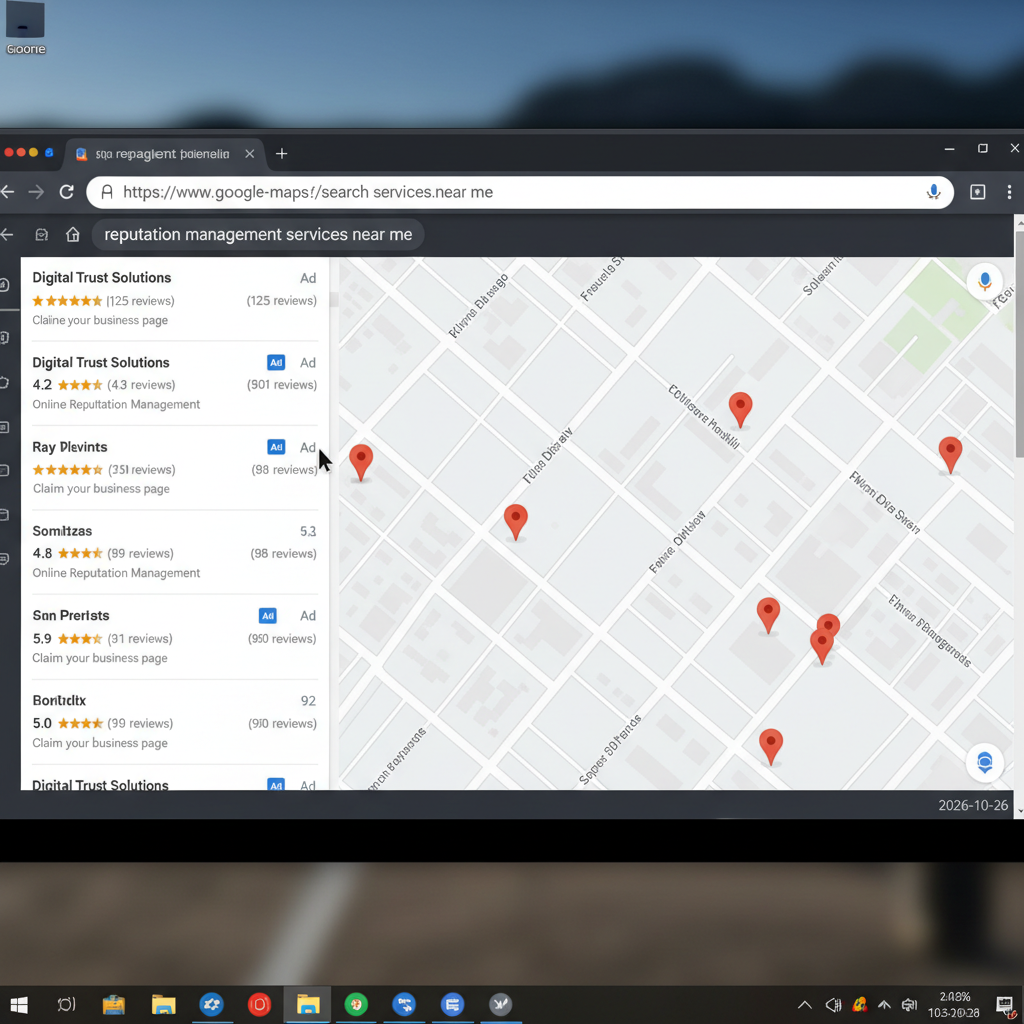
Google Maps search results showing local business ratings - How To Remove Malicious Google Reviews
Steps to Remove Malicious Google Reviews
Removing malicious Google reviews involves a systematic approach. First, always assess the content of the review against Google's guidelines. If it clearly violates the policy, reporting it through the Google My Business dashboard is the next logical step. It's important to provide detailed reasoning and evidence to substantiate your claim. In cases where reviews are not removed promptly, following up with additional documentation can be effective.
I recall a case involving a retail business that had been inundated with offensive reviews after a misunderstanding went viral on social media. By methodically documenting the incident and providing Google with a chronological account of events, we managed to have these harmful reviews removed within a week. Persistence and patience are key, as Google's review process can sometimes be slow.
For businesses looking to take control of their online reputation, it's also beneficial to engage directly with reviewers when appropriate. Responding professionally to negative feedback can demonstrate to potential customers that you are committed to resolving issues. Check out our best examples of replying to negative Google reviews for guidance on crafting effective responses.
Leveraging Third-Party Tools for Monitoring
In 2026, the landscape of review monitoring tools has expanded significantly, offering businesses more options to track and manage their online reputation. Tools like ReviewTrackers and BirdEye provide real-time alerts whenever a new review is posted, allowing you to act swiftly. These platforms also offer sentiment analysis, helping you understand the broader context of customer feedback.
For instance, one of our clients in the restaurant industry used these tools to identify a pattern of negative reviews that all appeared to originate from the same user. By cross-referencing with customer records, they discovered that the reviews were indeed fake, leading to successful removal requests. For more information on the impact of reviews and how to optimize your Google Business Profile, refer to our optimization guide.
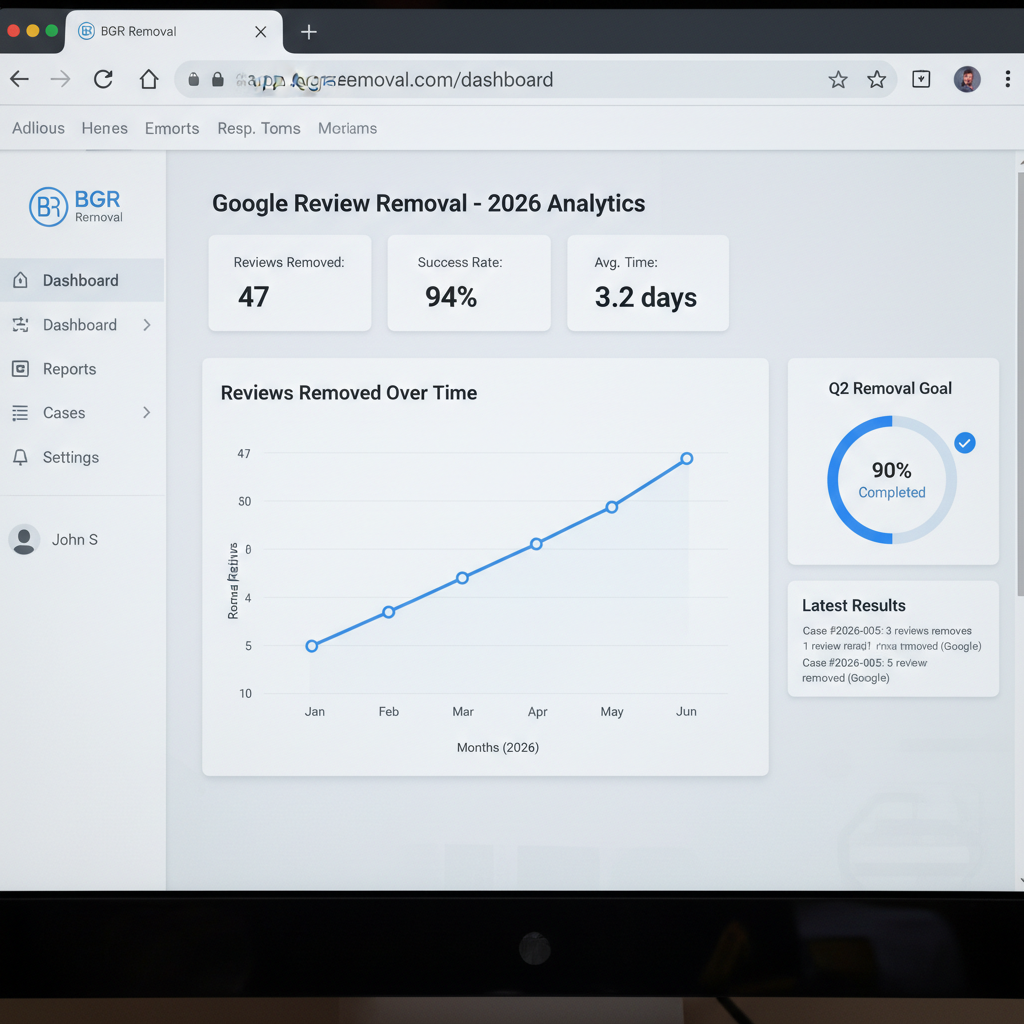
Dashboard showing review removal results and success metrics - How To Remove Malicious Google Reviews In 2026
Preventing Future Malicious Reviews
Prevention is often better than cure, especially when it comes to maintaining a spotless online reputation. Implementing a robust customer feedback system can help identify potential issues before they escalate into negative reviews. Encourage satisfied customers to leave positive feedback, effectively diluting the impact of any malicious reviews.
Additionally, educate your team about the importance of excellent customer service and how it directly correlates with online reviews. Regular training sessions can equip your staff with the skills necessary to handle difficult situations before they result in negative online feedback. To gain a deeper understanding of how reviews affect your business's SEO, explore our article on local SEO ranking factors.
In some cases, legal action may be necessary, especially if malicious reviews are defamatory. Consulting with a legal expert to understand your options can be a prudent step. However, this should be considered a last resort, as the legal process can be lengthy and complicated.
Conclusion: Safeguarding Your Business's Reputation
In today's digital age, where online reputation can make or break a business, understanding how to effectively manage and remove malicious Google reviews is paramount. By familiarizing yourself with Google's policies, using advanced monitoring tools, and fostering a proactive customer feedback culture, you can mitigate the impact of harmful reviews and protect your business's image.
Every business will encounter negative feedback at some point, but how you respond to and manage this feedback defines your brand's resilience. For more strategies on maintaining a positive online presence and dealing with negative reviews, check out our templates and best practices for responding to negative reviews.
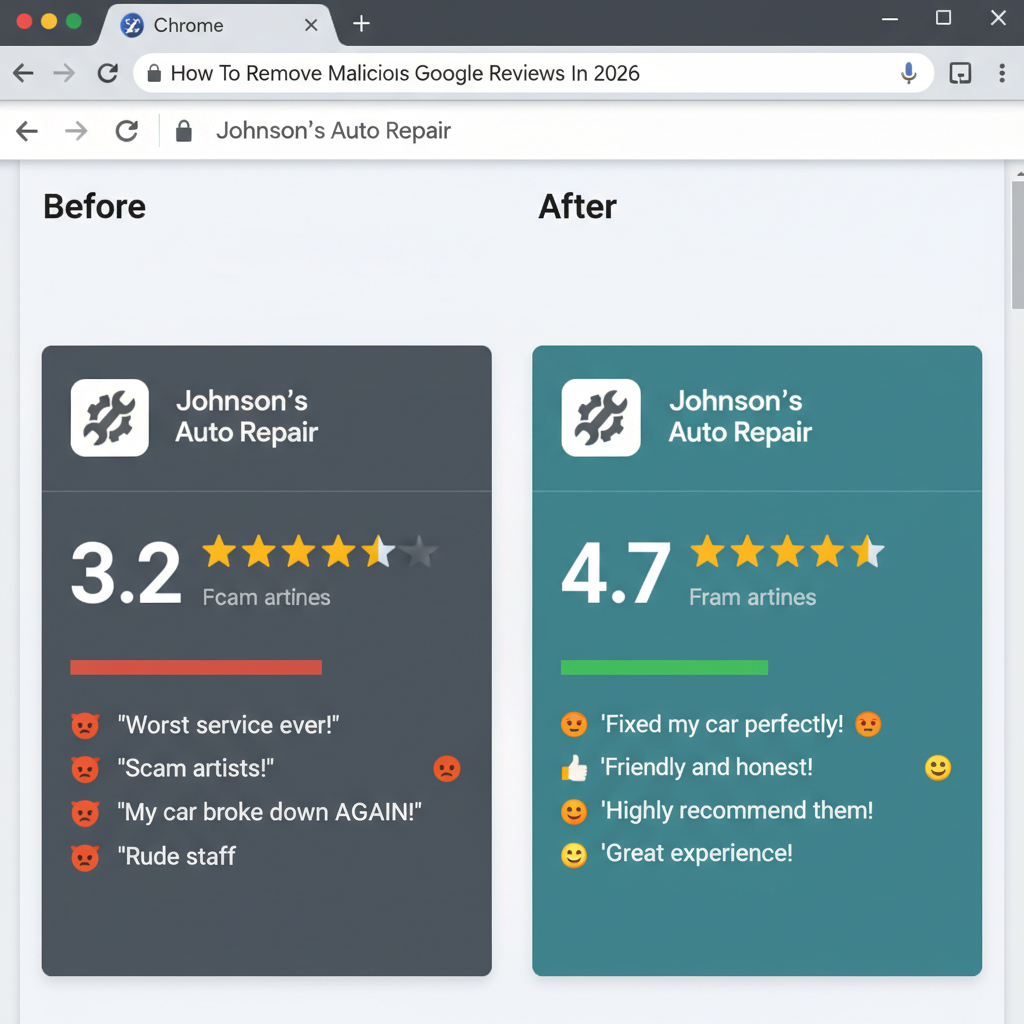
Before and after comparison showing improved business ratings - How To Remove Malicious Google Reviews In 2026
Frequently Asked Questions
How long does it take for Google to remove a malicious review?
The review removal process can vary, but it typically takes a few days to a week for Google to evaluate and act on a request. Providing detailed evidence can expedite the process.
What if a negative review doesn’t violate Google's policies?
If a review does not violate Google’s guidelines, it is unlikely to be removed. Instead, focus on crafting a professional response that addresses the issue and showcases your commitment to customer satisfaction.
Can I sue someone for posting a fake review?
Legal action is possible but should be considered a last resort due to its complexity and cost. Consulting with legal counsel is recommended to explore your options.
Is it possible to automate the monitoring of Google reviews?
Yes, several tools can automate the review monitoring process, providing alerts and analysis to help you manage your online reputation effectively.
How do I encourage more positive reviews?
Encourage satisfied customers to leave positive feedback by making the process simple and accessible. Implementing loyalty programs or incentives can also boost positive review generation.